Birdwatching Matarraña
You can spot and observe birds… without leaving the campsite!
Birdwatching in Matarraña
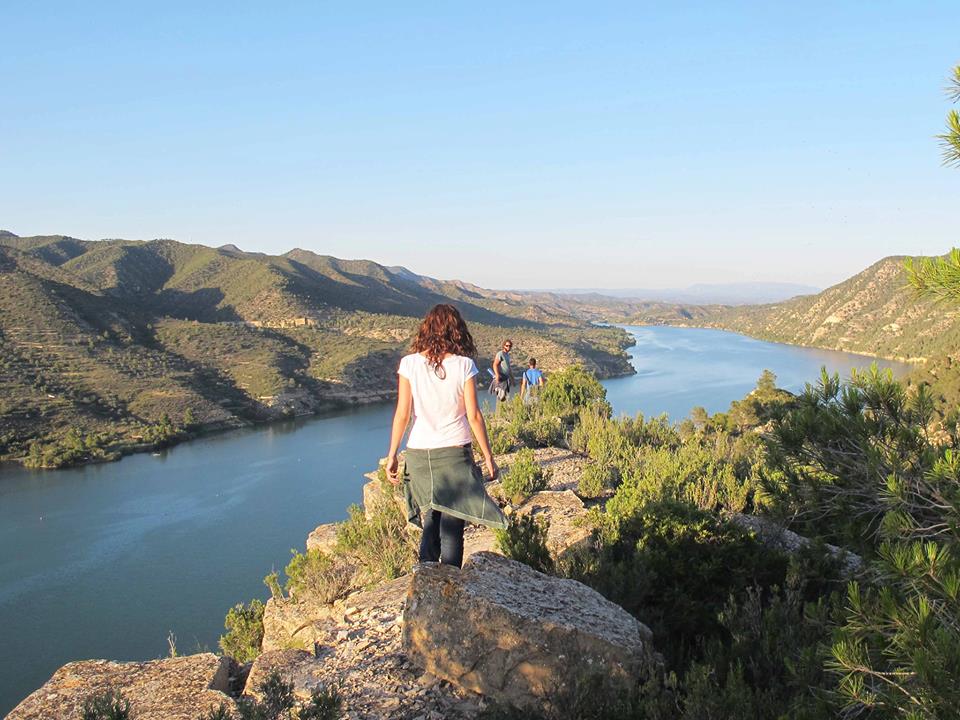
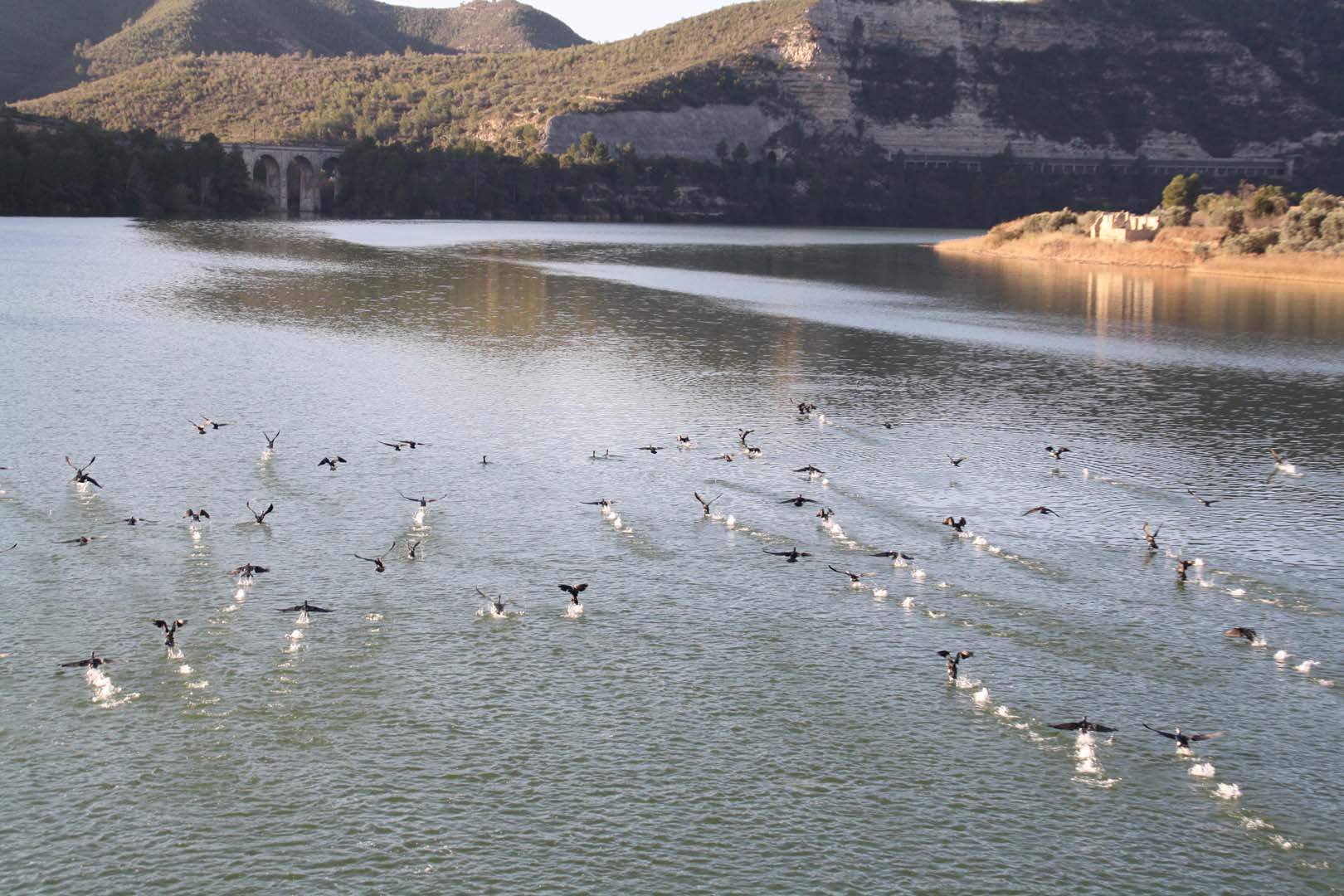
The confluence of the Matarraña River with the Ebro and its environmental diversity offer the opportunity to learn and have fun in an incomparable setting. The Matarraña River has carved out a unique landscape, where we can find well-preserved: riverbed, waters, escarpments, gallery forest, and Mediterranean forest. Splendid nature, sustainable successes that generate biodiversity of incalculable value.
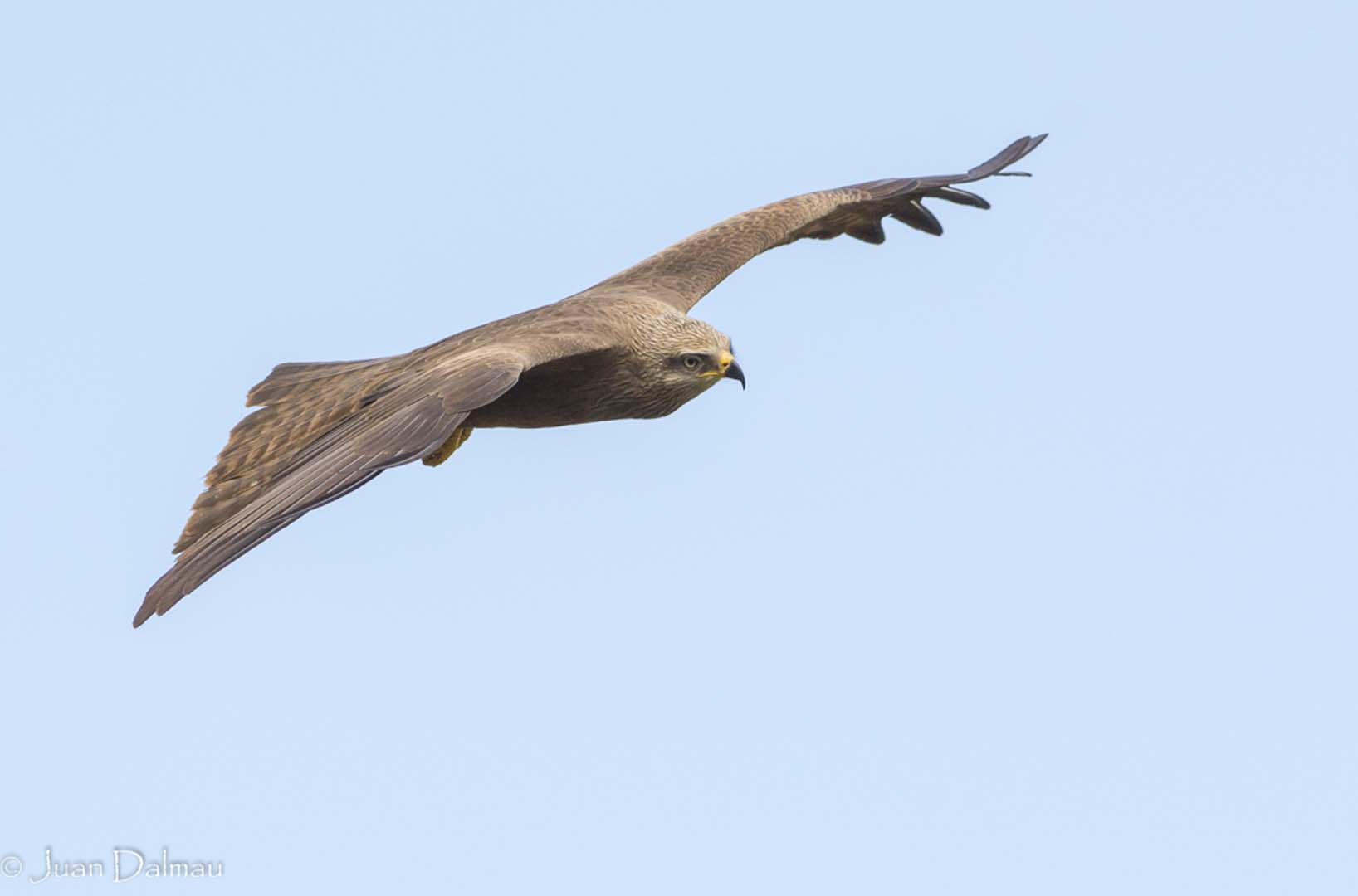
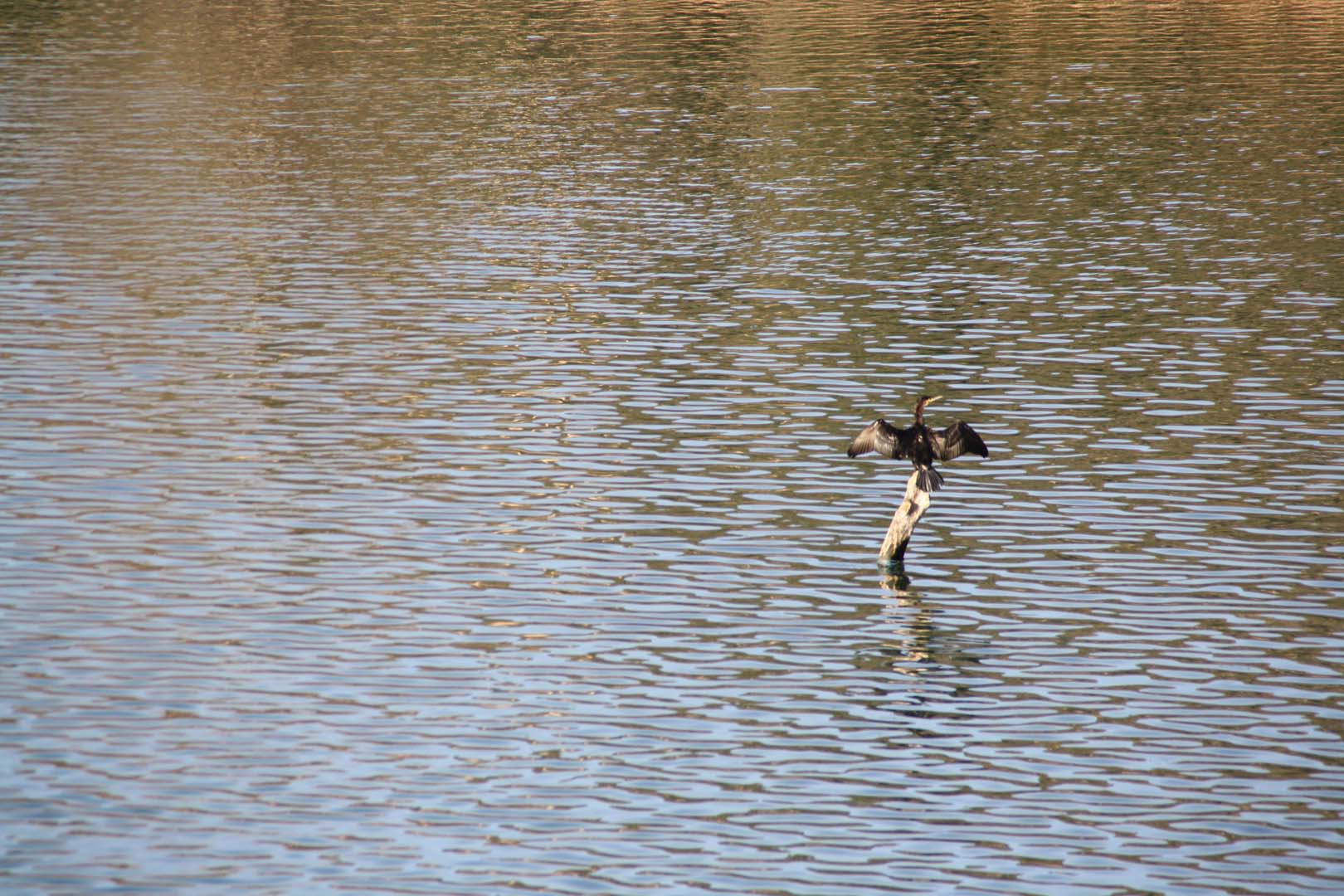
In short, we offer a location that allows travelers to observe different bird species in a single day; we showcase a territory where sightings of a wide variety of species are guaranteed throughout the year. The most enthusiastic birdwatchers will be able to obtain truly impressive lists.
The confluence of the Matarraña River with the Ebro and its environmental diversity offer the opportunity to learn and have fun in an incomparable setting. The Matarraña River has carved out a unique landscape, where we can find well-preserved: riverbed, waters, escarpments, gallery forest, and Mediterranean forest. Splendid nature, sustainable successes that generate biodiversity of incalculable value.
In short, we offer a location that allows travelers to observe different bird species in a single day; we showcase a territory where sightings of a wide variety of species are guaranteed throughout the year. The most enthusiastic birdwatchers will be able to obtain truly impressive lists.

Upcoming Workshops
what birds can I see in port massaluca?
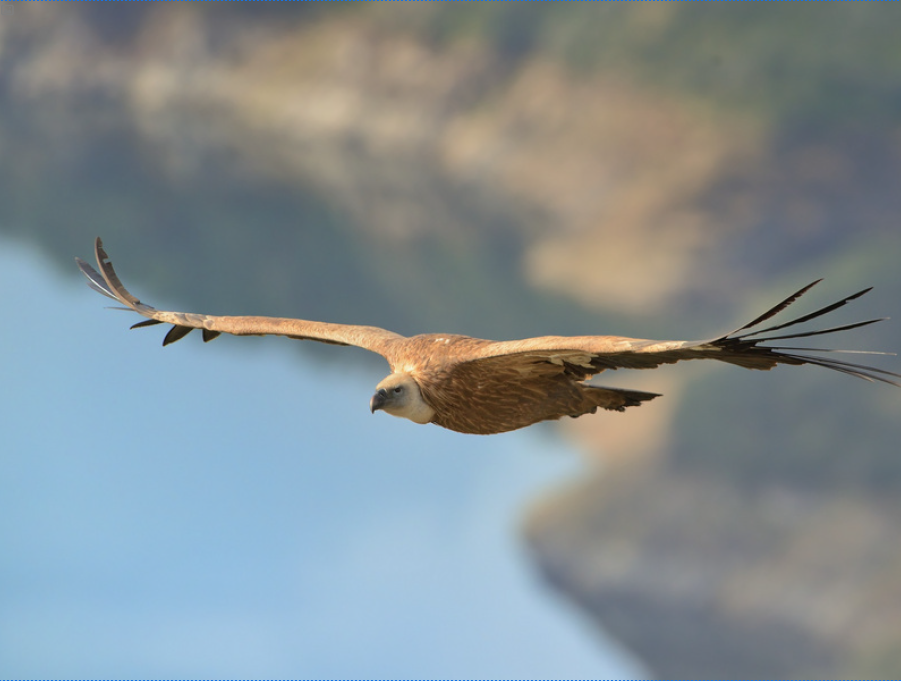
SCIENTIFIC NAME
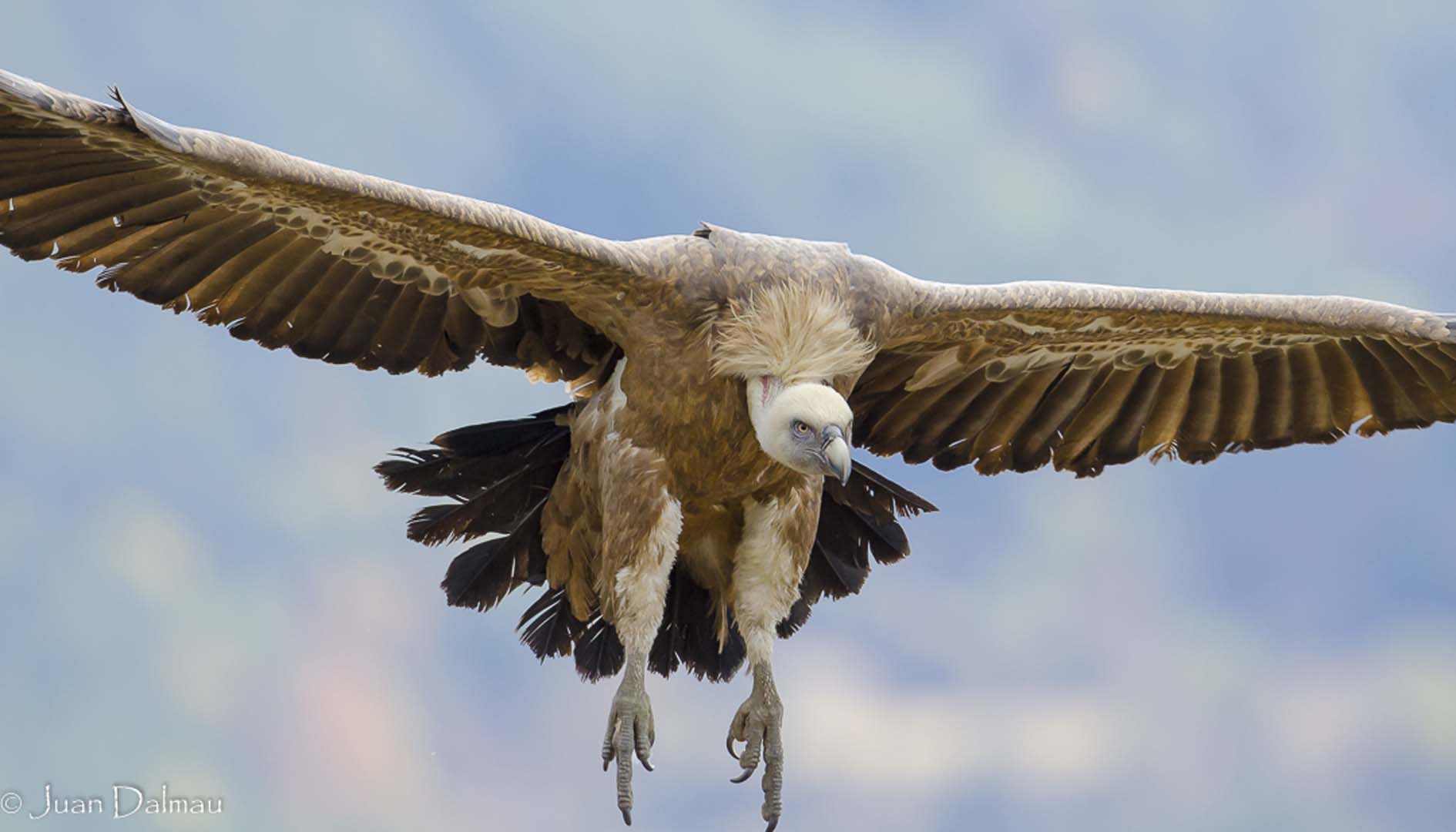
Gyps fulvus
LENGTH
95-110 cm
WINGSPAN
230-280 cm
NEST
1 egg, on cliff ledges.
LEVEL OF CONSERVATION
Least concern
MONTHS IN WHICH IT CAN BE SEEN
It is a resident species, visible throughout the year.
JanFebMarAprMayJunJulAugOctNovDecINFORMATION
Large bird of prey with a wingspan exceeding 2.5 meters. Most of its body features brown and cream tones, with a wide ruff at the base of the neck like a collar and a head covered in creamy down. It feeds on carrion and can glide long distances in search of food. It inhabits mountainous areas and cliffs, where it nests in colonies. It is essential for ecosystems due to its cleaning role, although it faces threats such as poisoning and lack of food.
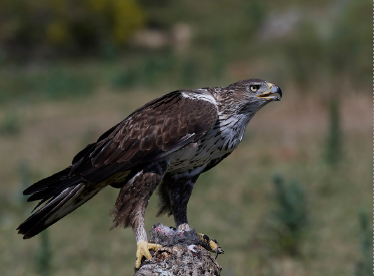
SCIENTIFIC NAME
Aquila fasciata
LENGTH
55-65 cm.
WINGSPAN
145-165 cm
NEST
2 eggs, nest on rocky ledges.
LEVEL OF CONSERVATION
Vulnerable.
MONTHS IN WHICH IT CAN BE SEEN
It is a resident species. Territorial individuals are usually tied to their breeding area all year round.
JanFebMarAprMayJunJulAugOctNovDecINFORMATION
Medium-large raptor characteristic of southern Europe, northern Africa, and Asia. It has dark brown dorsal plumage, a light chest with streaks, and a long tail with black bands. It inhabits rocky areas, Mediterranean forests, and steep slopes. It is a great predator that hunts medium-sized mammals and birds. It is an emblematic but vulnerable species due to the high adult mortality rate resulting from direct persecution, electrocution and collision with power lines, habitat loss, and scarcity of food resources.